
Homebuyer guide
How Much Should I Save for a House?
Share this guide
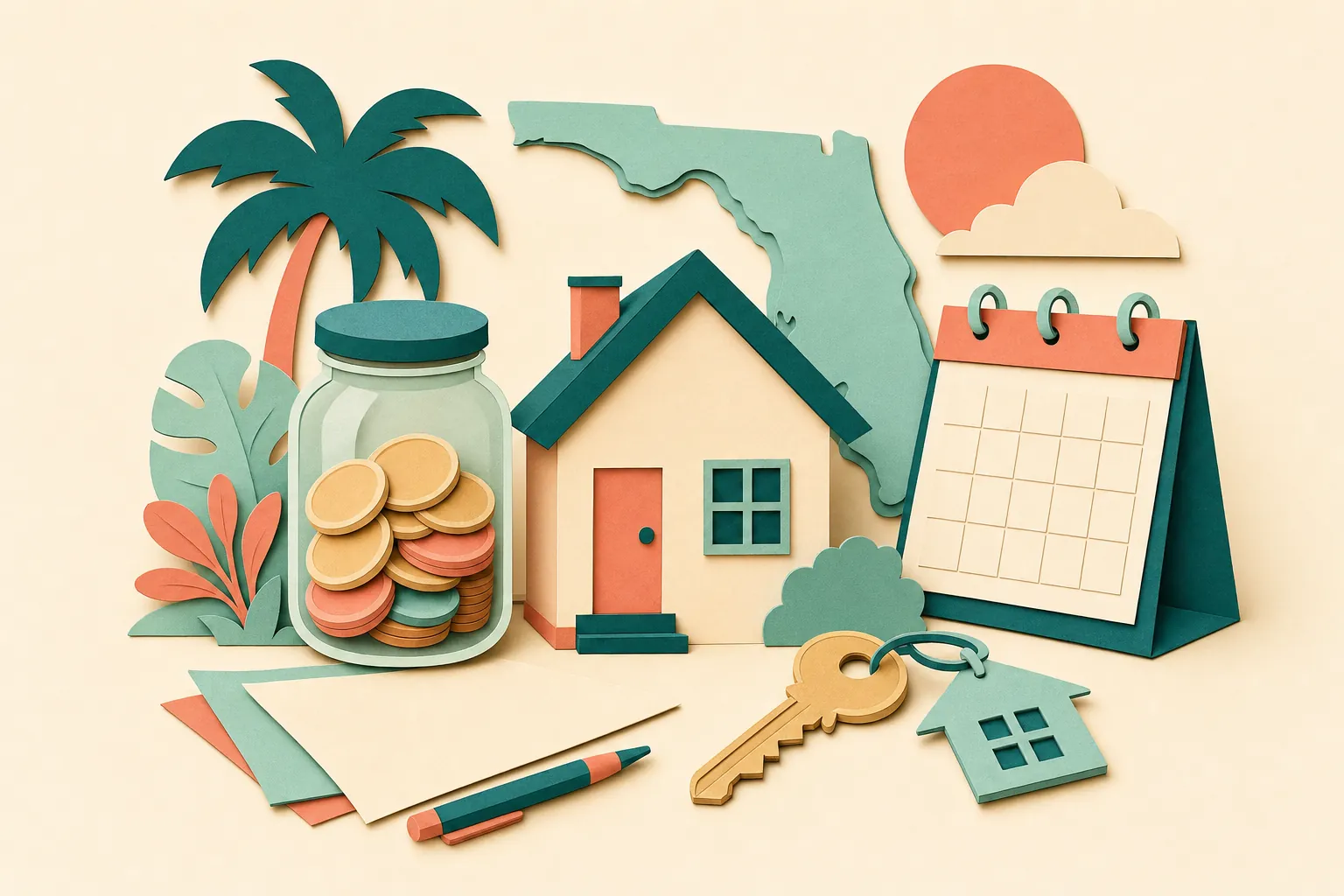
A simple house savings formula
To set a useful starting goal, add four numbers: the down payment you are considering, estimated closing costs, moving and early-home expenses, and the cash reserve you want to protect. That total is more useful than a down-payment percentage because it shows what you need to buy the home without treating every dollar in your account as available for closing.
For example, do not stop after writing down a possible down payment. Add a planning estimate for closing costs, a realistic amount for moving and immediate home needs, and the amount you would want left in savings after the keys are yours. Then ask a lender to compare a few payment and down-payment options for the price range you have in mind. The goal is not one perfect number. It is a target that still makes sense when the purchase becomes real.
Make room for the unknowns
Before you commit to a savings amount, leave room for changes you cannot predict yet. A home search can move faster or slower than expected, and insurance, repairs, rent, or family needs may shift along the way. A flexible plan is easier to continue and gives you better choices when the right home appears.
Set checkpoints instead of waiting for one big number
A long savings goal can feel distant when it is only one total. Break it into checkpoints that match the decisions ahead: first build the reserve you do not want to touch, then keep the down-payment and closing-cost estimates current as your price range becomes clearer. A regular review makes it easier to see whether a change in rent, debt, income, or timing calls for a different pace.
When you are getting closer to a home search, connect the savings target to a current mortgage conversation. Our Florida pre-approval guidance explains how a current review can help turn a broad plan into a price range, payment, and cash-to-close discussion. For buyers who may be considering assistance, our Florida homebuyer program guide explains why program details should be verified alongside the rest of the purchase budget.
Saving for a house is easier when the goal is more specific than "as much as possible." The amount you need depends on the kind of home you are considering, the mortgage program that may fit, your expected monthly payment, and how much financial breathing room you want after closing. A strong plan includes more than a down payment. It gives you a clear target for the cash you will need to buy, move, and settle in without draining every reserve you have.
There is no responsible universal number for every buyer. Some buyers may qualify with a smaller down payment, while others may choose to save more to reduce the loan amount or monthly payment. The useful question is: what cash amount supports the home and payment you want, while leaving room for the rest of your life?
Start with the full cash picture, not only a down payment percentage
Down payment is the amount you contribute toward the purchase price. It matters, but it is only one part of the cash needed to buy a home. Depending on the mortgage option and your financial picture, the down payment can vary. A larger amount is not automatically the best decision if it leaves too little for the costs that arrive before and after closing.
Start with a price range and a monthly payment you can live with. Include principal and interest, property taxes, homeowners insurance, mortgage insurance when required, flood insurance where needed, and association dues when they apply. Themis's debt-to-income guide explains one way lenders look at monthly obligations, but your own spending plan should set the comfort line.
Once you have that range, ask a lender to walk through a few realistic scenarios. The conversation should compare more than the down payment. Ask how the loan type, property location, insurance, credit, and expected closing costs change the monthly payment and the cash needed at closing. This gives your savings target a purpose instead of turning it into a vague percentage.
Build your savings goal from four buckets
A simple worksheet can turn a large, intimidating goal into decisions you can work through one by one. Keep the categories separate at first, then add them together. If one estimate changes, you will know which part of the plan needs to move.
- Down payment: the money you plan to contribute toward the purchase price. The right amount depends on the loan program, the home price, the payment you want, and the funds you want to keep available.
- Closing costs: the services, taxes, insurance items, lender charges, and other costs that are part of finalizing a mortgage and home purchase. They are not the same as the down payment.
- Moving and early home expenses: deposits, moving, utility changes, basic furnishings, repairs, and the small purchases that can add up quickly in the first months.
- Reserve money: cash you choose to keep rather than use at closing, so an unexpected bill does not immediately become a credit-card balance or a financial emergency.
The Consumer Financial Protection Bureau's homebuying preparation tools help buyers think through budget, down payment, and the costs around a mortgage before they are under contract. Use them to organize questions, not to replace a conversation about your actual loan options.
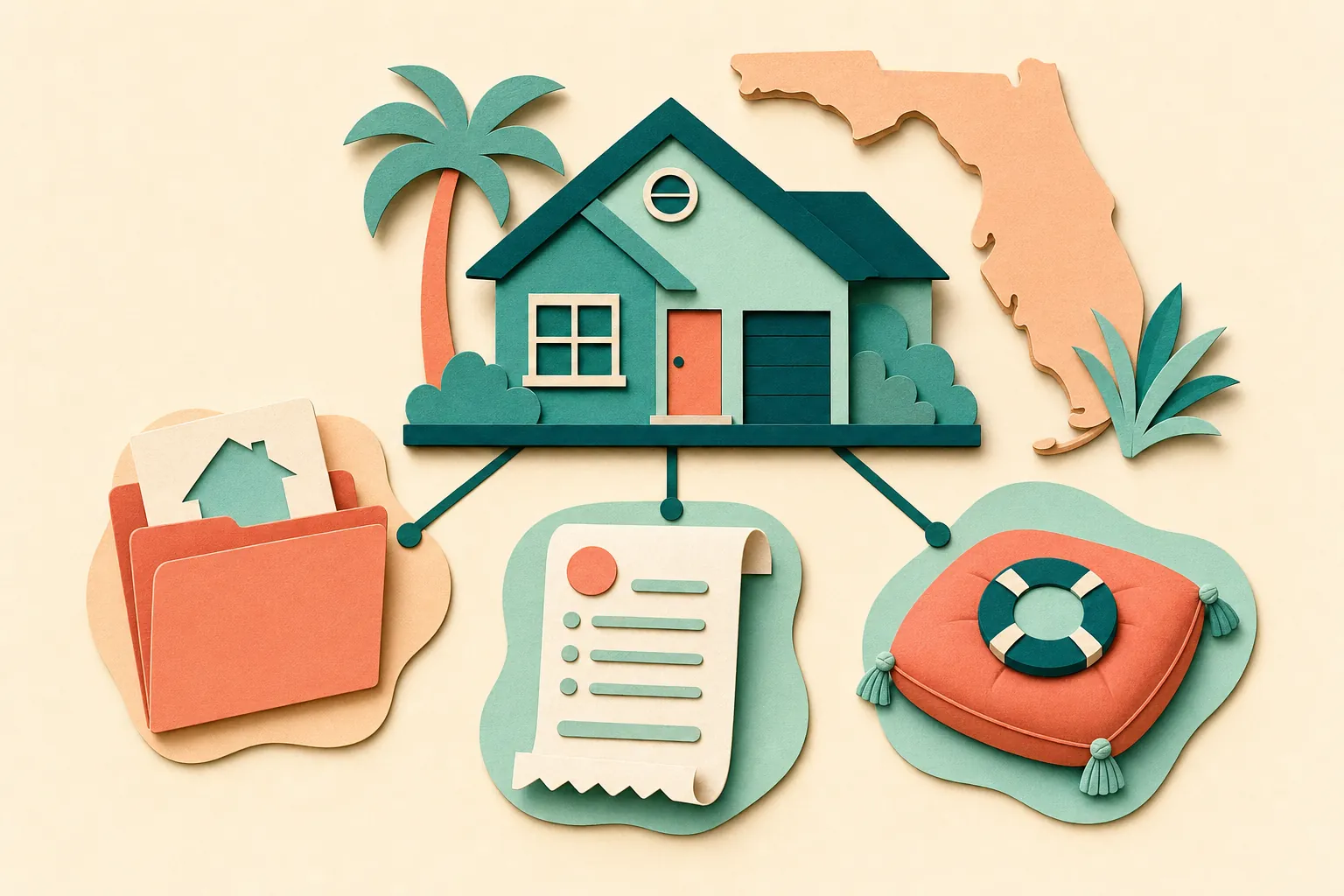
Use a Loan Estimate to make the cash-to-close number real
When you are comparing a specific mortgage and property, a Loan Estimate gives you a more useful view than a casual quote. It is designed to show the loan terms, projected payments, and estimated costs for the option you discussed. The CFPB's Loan Estimate comparison guide explains how buyers can review multiple estimates and see differences that a headline rate alone may hide.
Ask a lender which assumptions are behind the estimate. A different property tax bill, homeowners insurance quote, loan program, credit profile, or down payment can change the cash-to-close number. If you are early in the process and do not have a property yet, ask for a planning estimate based on a realistic price range, not a best-case guess.
Keep a short list of questions beside every estimate: What cash is required at closing? Which costs may change? Is there a seller credit in the scenario? What payment is assumed for taxes and insurance? What would change if I put down more or less? Clear answers will give your savings plan a firmer foundation than an online calculator alone.
Decide what you want your down payment to accomplish
Buyers often hear one down payment percentage repeated as if it is a rule. It is not a universal target. Some people want to minimize the initial cash needed. Others want to lower the loan amount, reduce a monthly payment, or avoid mortgage insurance if their situation and loan program make that possible. Each choice has tradeoffs.
Putting more money down can reduce the amount you borrow, but it can also leave less cash available after closing. Putting less down can preserve savings, but the monthly payment, mortgage insurance, or loan terms may look different. The goal is not to force your finances into a standard story. It is to understand which option supports your next few years, not just the day you receive the keys.
Before you move money or make a large deposit, talk with a lender about how the funds will be documented. Gift money, transfers between accounts, and a recent large deposit may be usable, but they often need a clear paper trail. The mortgage application preparation checklist can help you gather records before the process becomes urgent.
Look at Florida help without building your plan around an assumption
Florida buyers may find state or local programs that can support a purchase, but availability, eligibility, funding, and terms can change. Florida Housing maintains homebuyer program information that can help you understand the questions to ask. Treat every program as something to verify for your household, property, and timing.
Assistance can change the amount you need to bring to closing, but it does not make the rest of the budget disappear. You will still want to understand the monthly payment, closing costs, property taxes, insurance, repairs, and any rules attached to the assistance. A plan that works only if every estimate stays at its most favorable number is too fragile.

Use the saving period to reduce surprises
You do not need to wait until the day you are ready to make an offer to begin learning what a mortgage review will involve. While you are saving, use the time to look for questions that could affect your options later: a credit-report error, a recurring debt payment that will not be there much longer, variable income, a recent job change, or money that may come from a gift.
That does not mean opening applications with every lender or trying to predict an approval from an online score. It means building a clearer financial picture. Review your own credit reports, keep complete account records, and ask before you move a large amount of money between accounts. If you expect a change in income, employment, or household expenses, make it part of the conversation rather than treating it as a detail to solve alone.
A preliminary conversation can also help you decide when a formal pre-approval will be most useful. Themis's guide to getting pre-approved for a mortgage explains how timing, documents, and lender comparisons fit together. When you are closer to applying, the guide on mortgage pre-approval and credit can help you ask the right question about a lender's credit review before it happens.
Saving and preparing are connected, but they are not the same project. Your savings plan gives you cash choices. Your preparation gives you time to understand the loan and documentation choices behind them. Working on both gradually can keep a future home search from feeling like a last-minute financial exam.
Turn the target into a monthly savings plan
Once you have a rough total, divide it into smaller checkpoints. A buyer who wants to purchase in a year will plan differently from someone who expects to buy in three years. Use a timeline that is honest about your income, other goals, and the room you need in your monthly budget.
- Name the target. Write down separate estimates for the down payment, closing costs, moving and early-home expenses, and the reserve you want to keep.
- Set a timing range. Choose a season or year for a possible purchase instead of committing to one exact date before you know how the market and your finances will look.
- Choose a monthly amount. Automate a transfer you can sustain. A smaller consistent amount is more useful than an aggressive plan that creates new debt or disappears after two months.
- Review the plan when life changes. A raise, debt payoff, job change, new childcare cost, or rent increase can all change the right pace. Update the target instead of pretending the old number still fits.
Keep house savings separate from money you will need for routine bills, an emergency, or short-term goals. Saving every available dollar for a down payment may look disciplined on paper, but it can create pressure later if one car repair or medical bill wipes out the cushion. Your plan should help you buy with more confidence, not make everyday life more fragile.
Questions to ask before you set your final goal
- What full monthly payment range feels sustainable for my household?
- Which down payment options are realistic for my situation?
- What closing costs should I plan for in a likely price range?
- How much money do I want to keep after closing for moving, repairs, and emergencies?
- Could a gift, program, or seller credit affect the cash I need, and what would I need to verify?
- What documents should I keep for the money I am saving or moving between accounts?
Those questions are more useful than trying to solve every detail from a single percentage. They help you see where an estimate is solid, where it needs a lender's input, and what part of your plan you can control today.
How Themis Mortgage can help
Themis Mortgage helps Florida buyers look at the whole purchase, not just a down payment number. That can include your expected payment, credit, debt-to-income, documents, savings plan, timing, and the mortgage options worth comparing. The goal is a clear conversation before a home search or offer makes every question feel urgent.
You can explore buyer guidance, read about first-time buyer mortgage options in Florida, visit the Florida mortgage lender page, or start a conversation when you are ready to talk through your plans.
Frequently asked questions
A practical target includes more than the down payment. Plan for estimated closing costs, moving and early-home expenses, and a reserve you would prefer not to spend at closing. The right total depends on the home price, mortgage option, expected monthly payment, and how much financial cushion you want to keep.
There is no single percentage that fits every buyer. The useful comparison is between realistic down-payment options, the payment and cash needed at closing they create, and the reserve you would still have after the purchase. A lender can help show those tradeoffs for a likely price range.
No. Down payment requirements vary by mortgage program and borrower situation. A larger down payment may reduce the amount you borrow, but it is not automatically the best choice if it leaves too little money for closing costs, moving, repairs, or emergencies. Ask a lender to compare realistic options for you.
No. The down payment is the amount you contribute toward the purchase price. Closing costs are separate costs involved in finalizing the mortgage and purchase. A Loan Estimate can help you see the projected cash needed for a specific loan and property scenario.
Usually, it is wise to consider what cash you will still have after closing. Homes can bring moving costs, repairs, utility deposits, and unexpected expenses. The right plan balances the loan amount and payment with a reserve that keeps your household from feeling immediately stretched.
It may, depending on the program, your eligibility, the property, and available funding. Treat assistance as something to verify, not a number to assume. It can change the cash needed at closing, but you should still understand the payment, closing costs, and any program conditions before building your budget around it.
Related posts

Credit Score Dropped After Mortgage Pre-Approval?
A practical guide to understanding a changed credit score, protecting your homebuying plan, and knowing what to ask your lender next.

How Much Are Closing Costs in Florida?
Understand the costs that can come with a Florida home purchase, what can change them, and how to plan your cash to close.

How Much Is a Down Payment on a $300,000 House?
See what common down-payment percentages mean in dollars for a $300,000 home, and how to plan for the full cash picture.